Entry vehicle design
Critical to the success of planetary probes is the ability of the vehicle to survive the planetary entry. The vehicle must remain stable in the correct orientation and be protected from aerodynamic heating.
// KEY CAPABILITIES
State-of-the-art computer aided engineering (CAE)
Latest software for both mechanical design and simulation along with electrical and electronic design.
Rapid prototyping facilities
3D printing of micron level resolution prototype parts to small-batch production of flight test components.
Small batch flight components manufacture
In-house CNC capability and machining workshop
Test vehicle assembly (and test) performed on-site within our own workshop, laboratory and clean room
Excellent relationships with local, national and international manufacturing suppliers and partners.
Ranging from fabric components (parachutes, airbags etc.) to precision-machined space-qualified components and finishing processes.
Validated simulation tools for entry vehicle flight dynamics and trajectory analysis
3 and 6 degree of freedom simulations of entry vehicles and descent systems.
Precise simulation of aerodynamic and thermal loads through entry, descent, and landing.
Comprehensive implementation of system uncertainties in analysis
Including uncertainties in vehicle physical properties, aerodynamic factors, and atmosphere.
Continued simulation development using CFD and test data to develop complex accurate models.
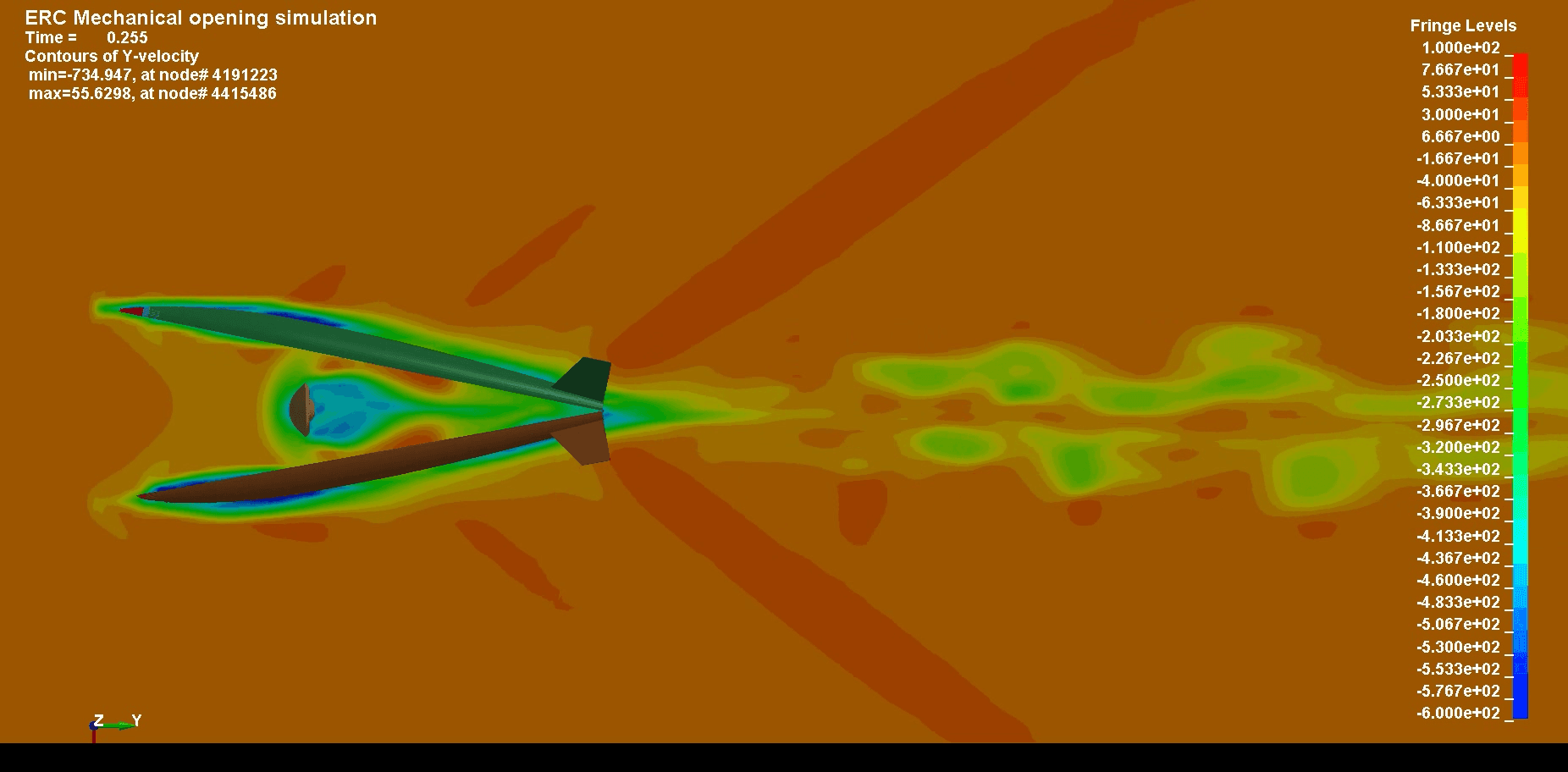
Vorticity has a range of state-of-the-art tools and internally developed models to perform sizing and detailed definition of space vehicle entry. These tools provide the capability for dynamics and trajectory analyses, aerodynamic predictions using Direct Simulation Monte Carlo (DSMC), classical computational fluid dynamics (CFD) and fluid-structure interaction (FSI) methods and assessment of aerodynamic heating, thermal protection sizing, and ablation prediction. Vorticity has conducted a range of studies of entry probes for ESA and inflatable aerocapture devices for NASA and ESA.
// KEY CASE STUDY - SUPERMAX
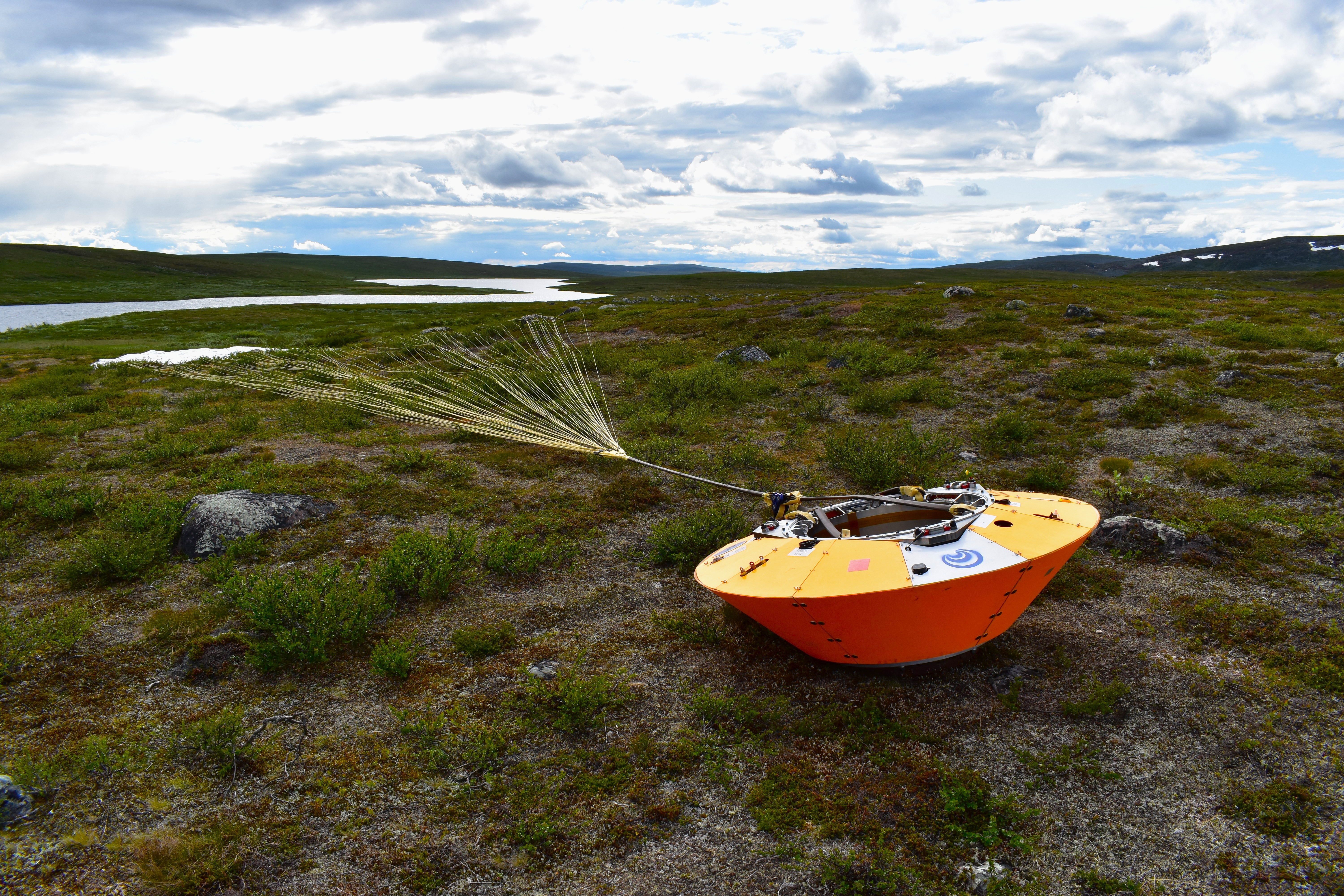
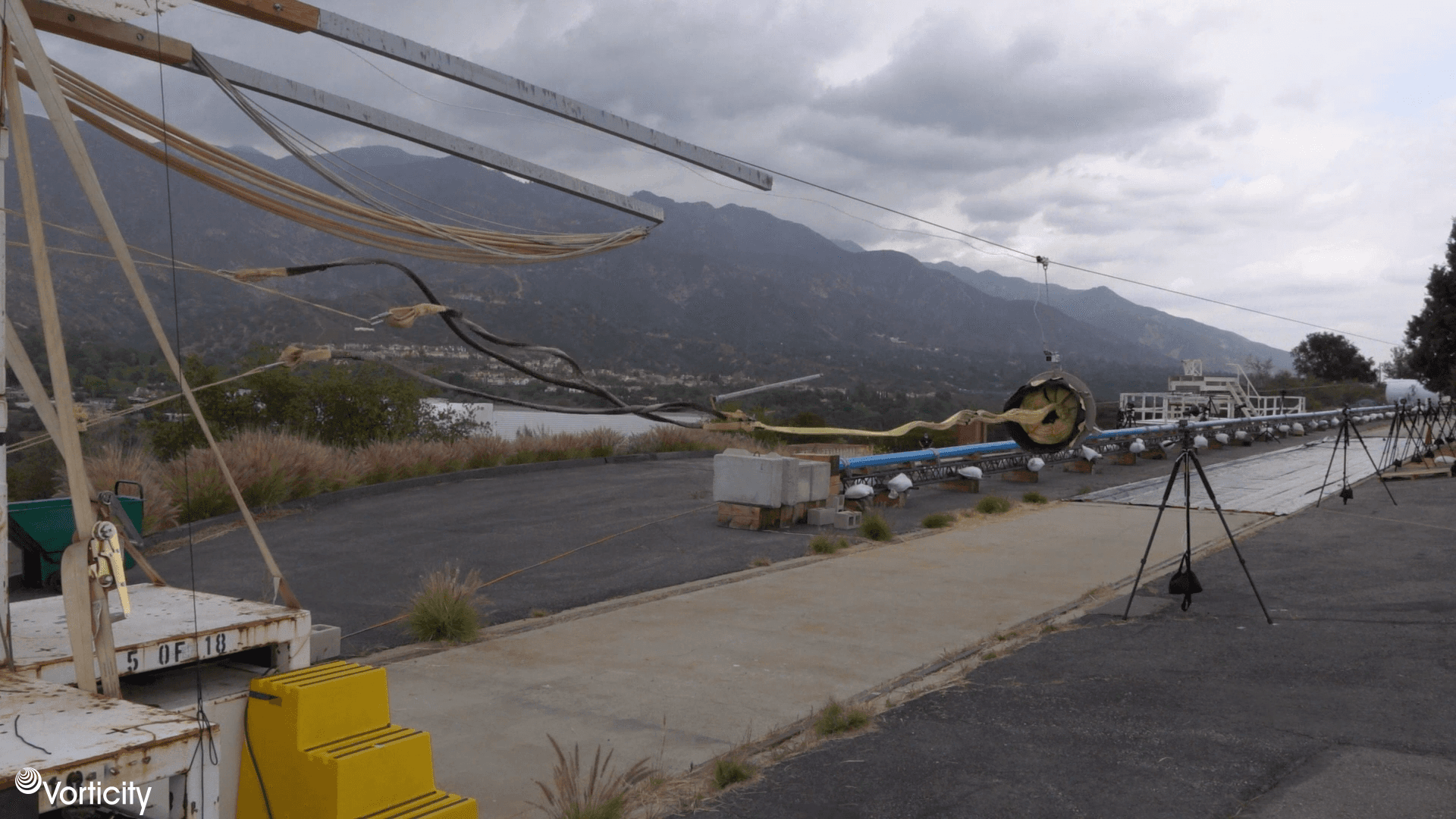
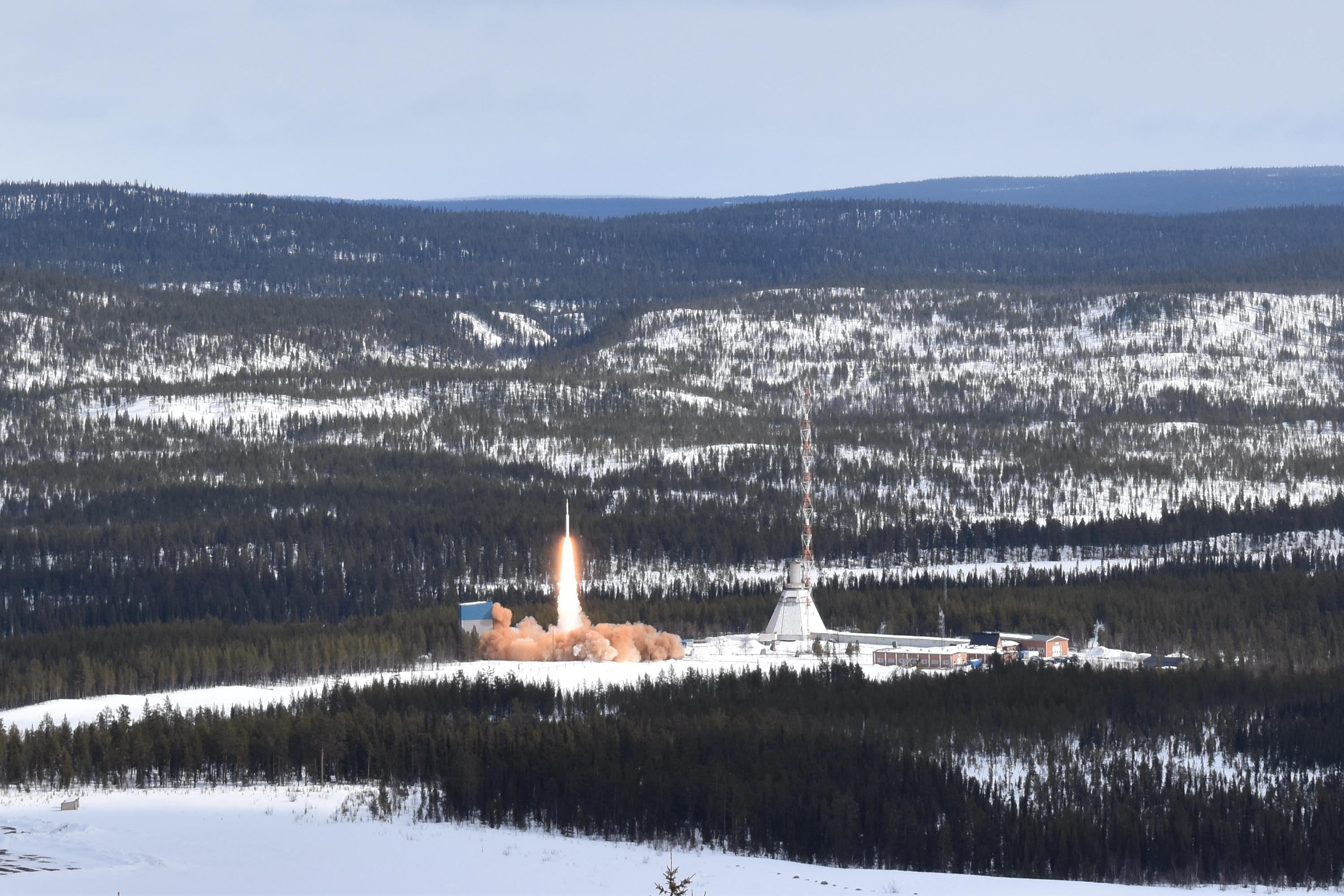
The SUPERMAX entry vehicle was designed, built and tested by Vorticity. It was a technology research project with the aim of demonstrating the ability to deploy a supersonic parachute from a small (13 kg) re-entry vehicle using the MAXUS 9 sounding rocket as the launch platfrom. The project made full use of Vorticity's internal CAE, rapid prototyping and manufacturing capabilites which resulted in a successful demonstrator vehicle and flight!
The video of the capsule jettison from the MAXUS sounding rocket launched by SSC is shown below.
// KEY CASE STUDY - MARS AEROCAPTURE
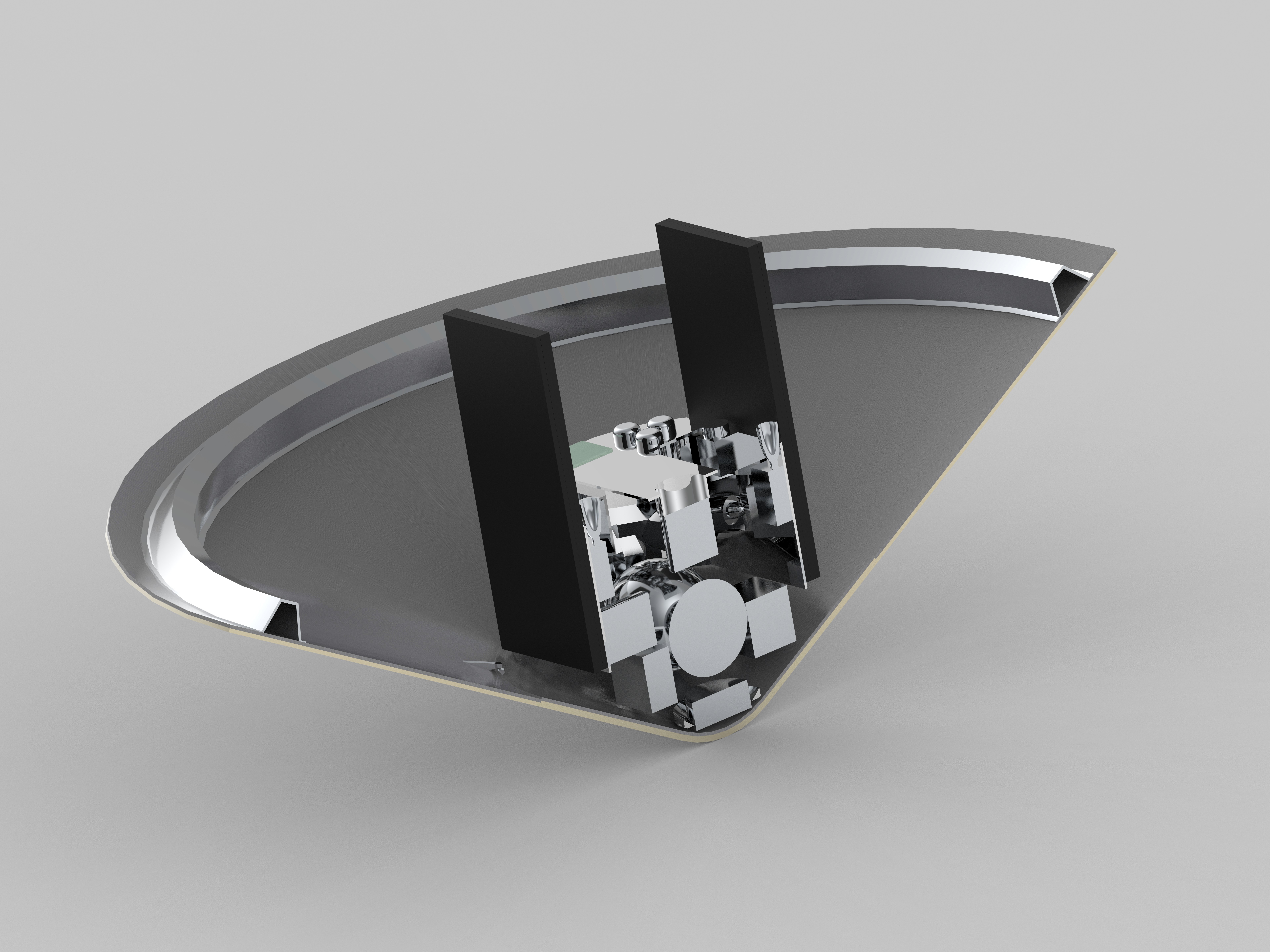
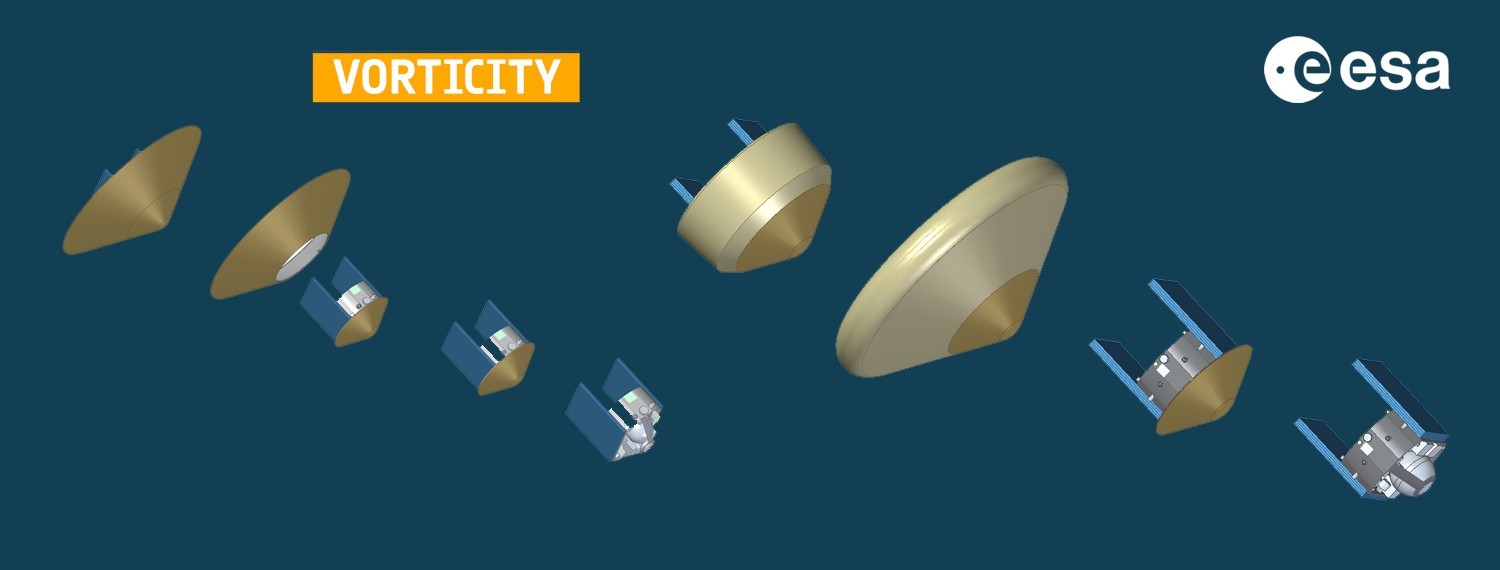
Vorticity, working with the European Space Agency, carried out a detailed study on the feasibility of using atmospheric aerocapture to deliver higher payload mass to Mars orbit while reducing reliance on heavy chemical propulsion. The team explored how inflatable decelerators and single-event drag modulation could manage atmospheric uncertainties and enable precise orbital insertion. The results show that, with improved atmospheric modelling and tighter control of entry conditions, this relatively simple aerocapture technique could offer a practical and efficient alternative for future Mars missions.