Parachute development
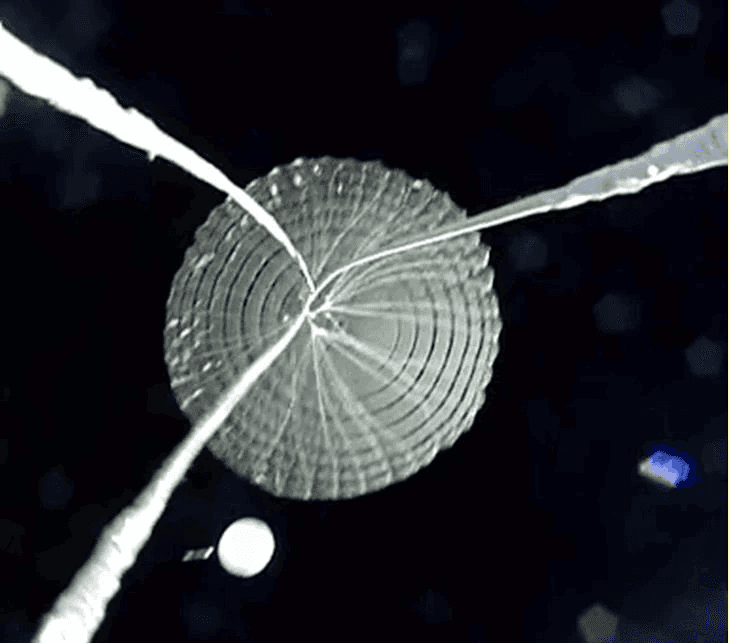
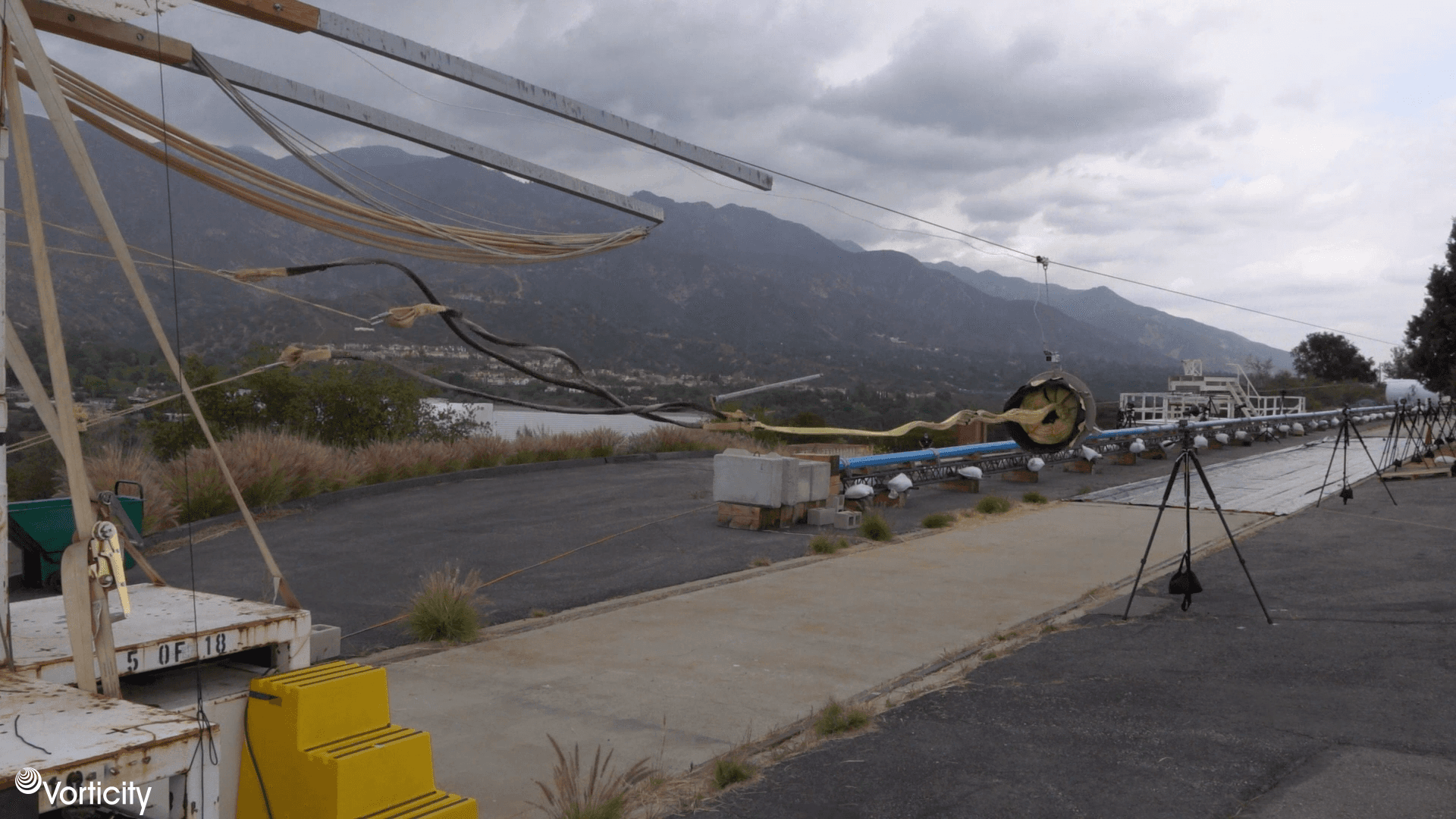
Vorticity is best known for our expertise in parachute system development. Our capability spans system analysis, design, development and testing.
// KEY CAPABILITIES
Concept design and simulation
For supersonic and subsonic parachute recovery systems
Full aerodynamic characterisation, flight dynamics, and trajectory simulations
For end-to-end sequence, from descent to landing
6 degree of freedom multi-body simulations of complete parachute sequences.
Testing and qualification support
Including wind tunnel and flight validation
// KEY CASE STUDY - HUYGENS
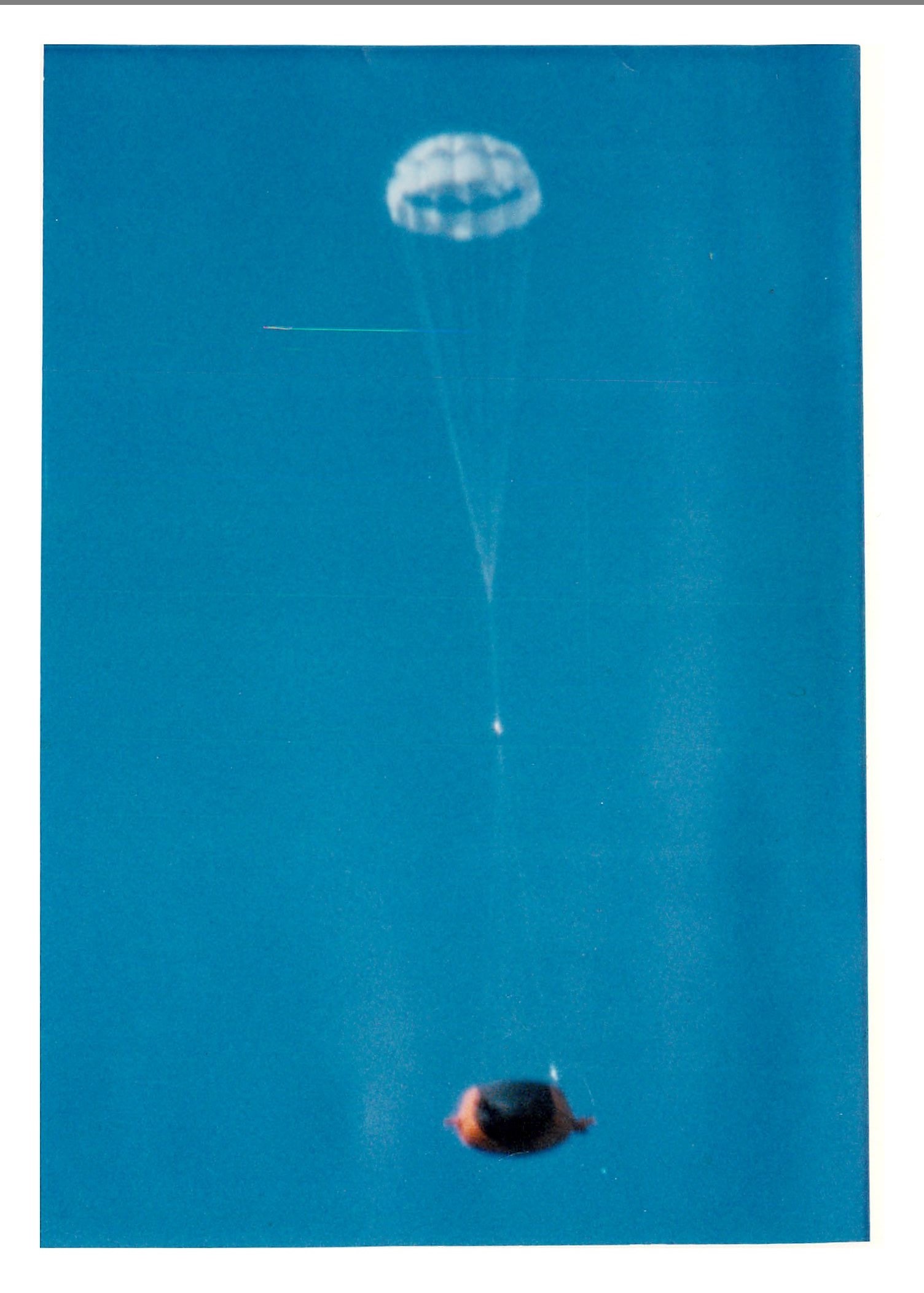
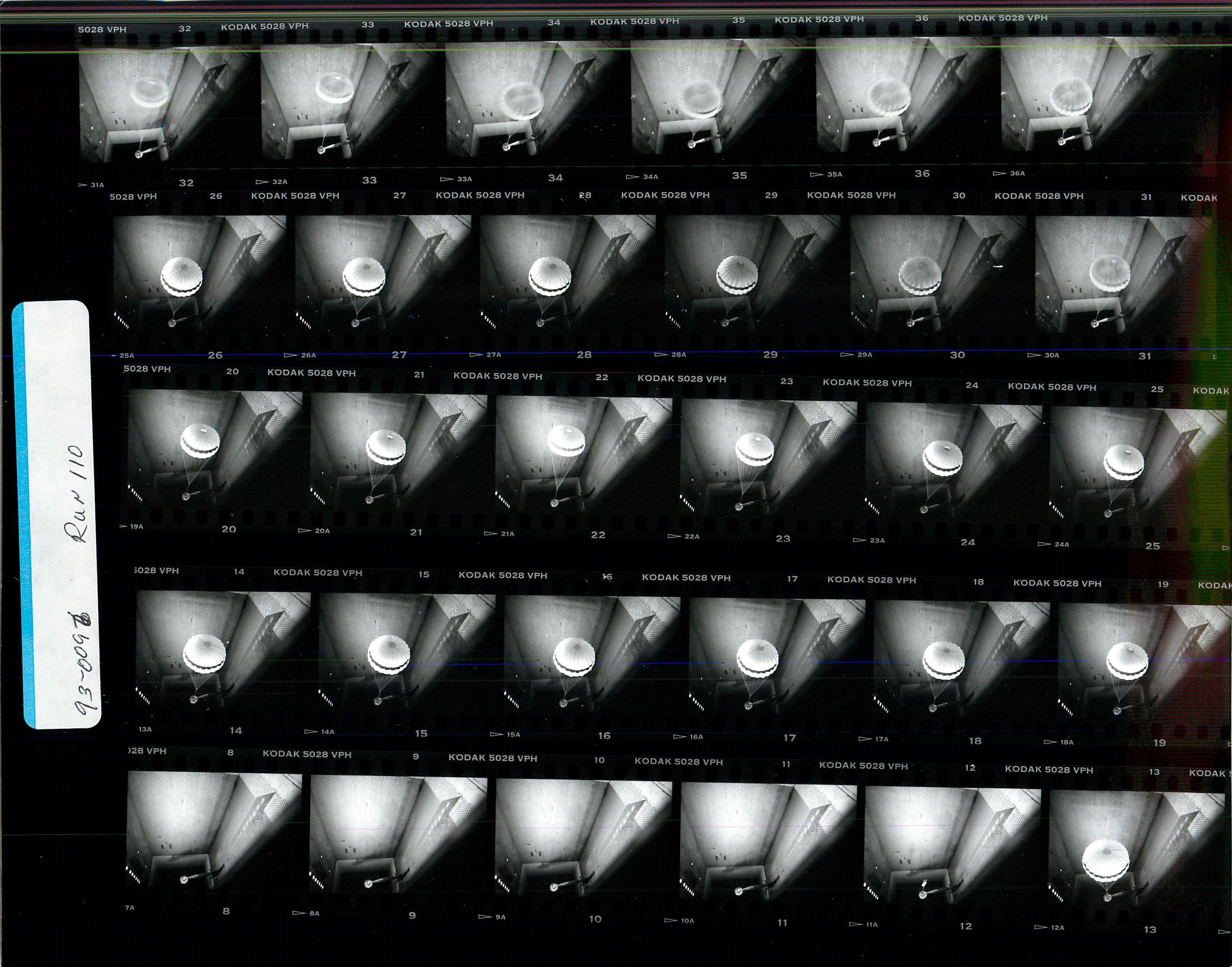
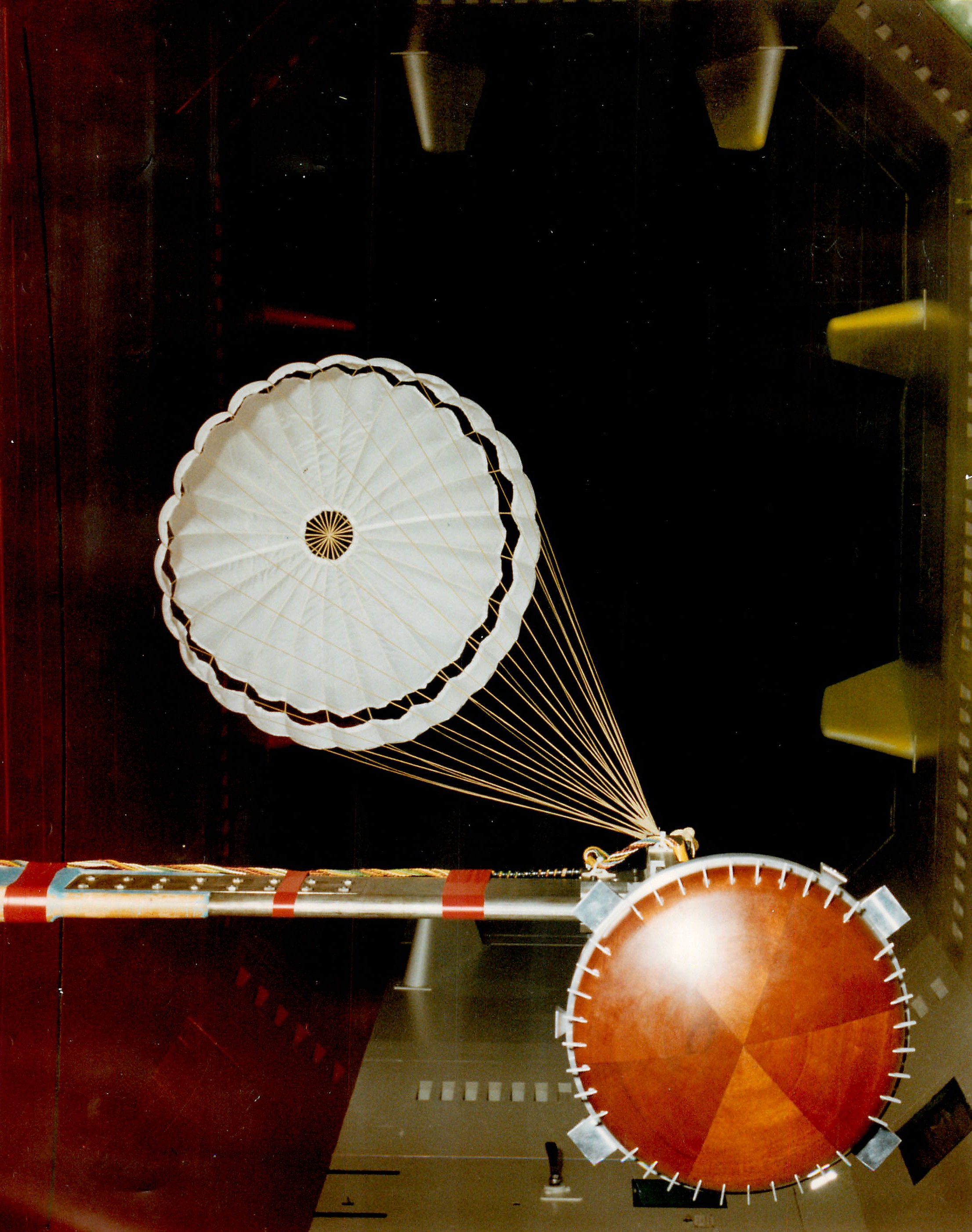
Vorticity staff designed, developed, and tested the Huygens parachute system, landing safely the first European interplanetary lander. This included design, development, and qualification of the three parachutes, mortar, container and sequencing mechanisms. Vorticity validated the system through 9 wind tunnel tests, low-altitude drop tests, and a high-altitude drop test (SM2).
The outcome was a successful landing of a probe on Saturn’s moon Titan in 2005.

// PARACHUTE SIMULATION METHODOLOGY
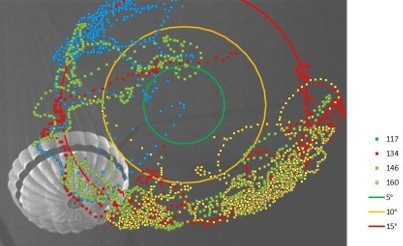
Vorticity is at the forefront of understanding of parachute physics and has developed simulation methods to predict inflation, aerodynamic performance, flight dynamics and trajectory prediction. Vorticity has developed key proprietary simulation softwares and analysis. The image on the left below show the point-wise tracking of a parachute in a wind-tunnel, and on the right, a visualisation from Vorticity's proprietary simulation visualisation software.

// KEY CASE STUDY - PARAFOIL SIMULATION
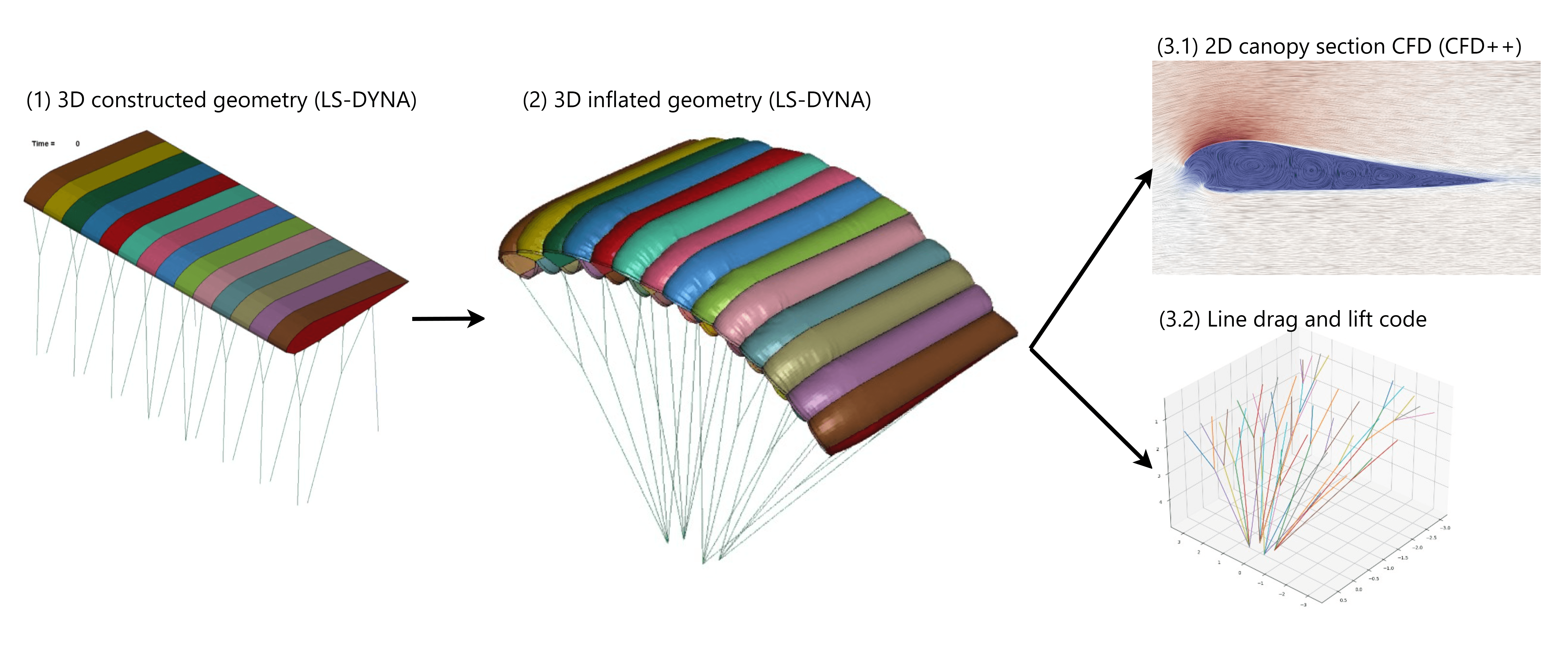
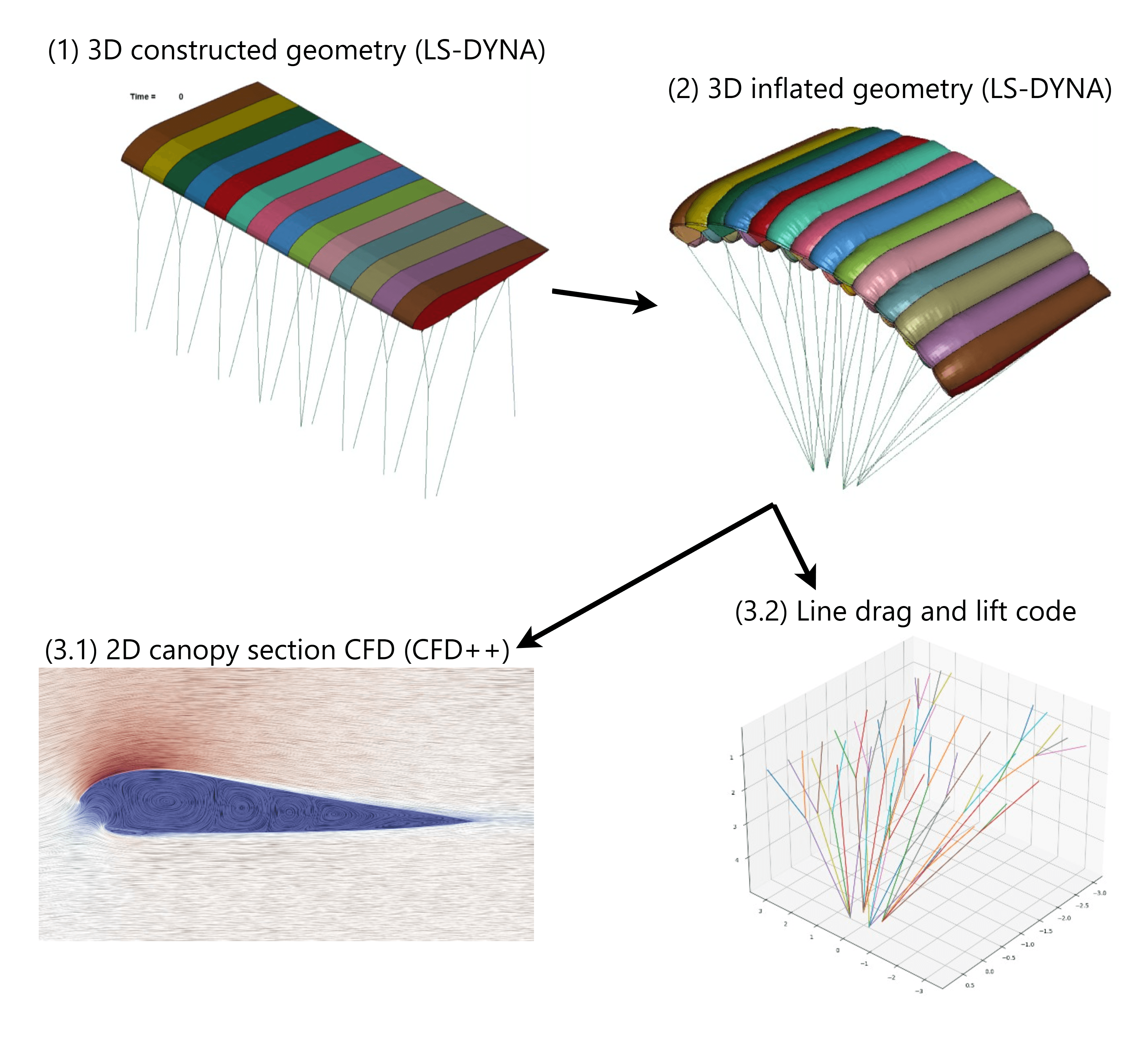
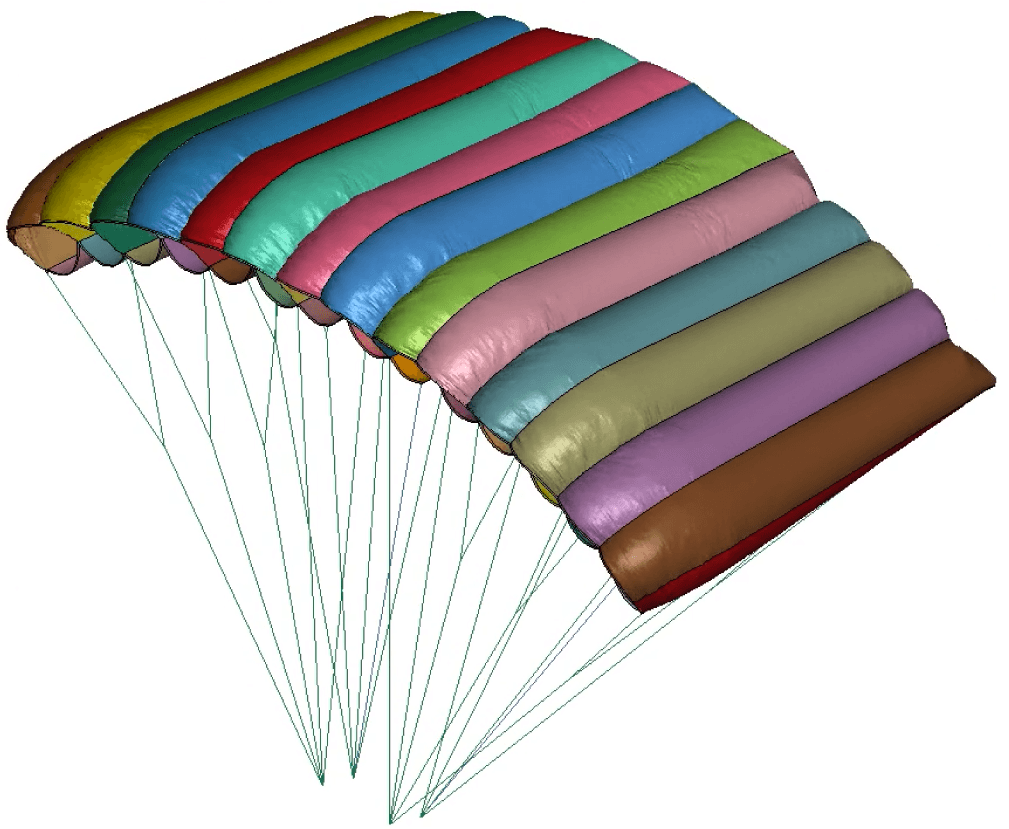
Vorticity has developed a validated, end-to-end simulation capability for autonomous parafoil guidance, navigation and control (GNC) systems. Our tools include LS-DYNA, for finite element analysis of canopies and suspension lines; CFD++ for advanced aerodynamic modelling of canopy and suspension lines aerodynamic modelling; and Anybody6D, a highly-adaptablehighly adaptable multi-body flight dynamics and trajectory simulation code. This process enables Aany parafoil control algorithm can to be integrated in-the-loop with the flight dynamics simulation environment. This enables allows full mission simulation of full missions, from inflation through to landing under in realistic turbulent wind environments.
The simulation framework has been validated against real-world flight data. Monte Carlo simulations allow landing accuracy, touchdown speeds, and wind response to be accurately and rapidly predicted. The result is a powerful digital environment for early-phase design, GNC tuning, and performance verification of parafoil recovery systems ranging from tens of kilograms to multi-tonne payloads.
// WIND TUNNEL TESTING
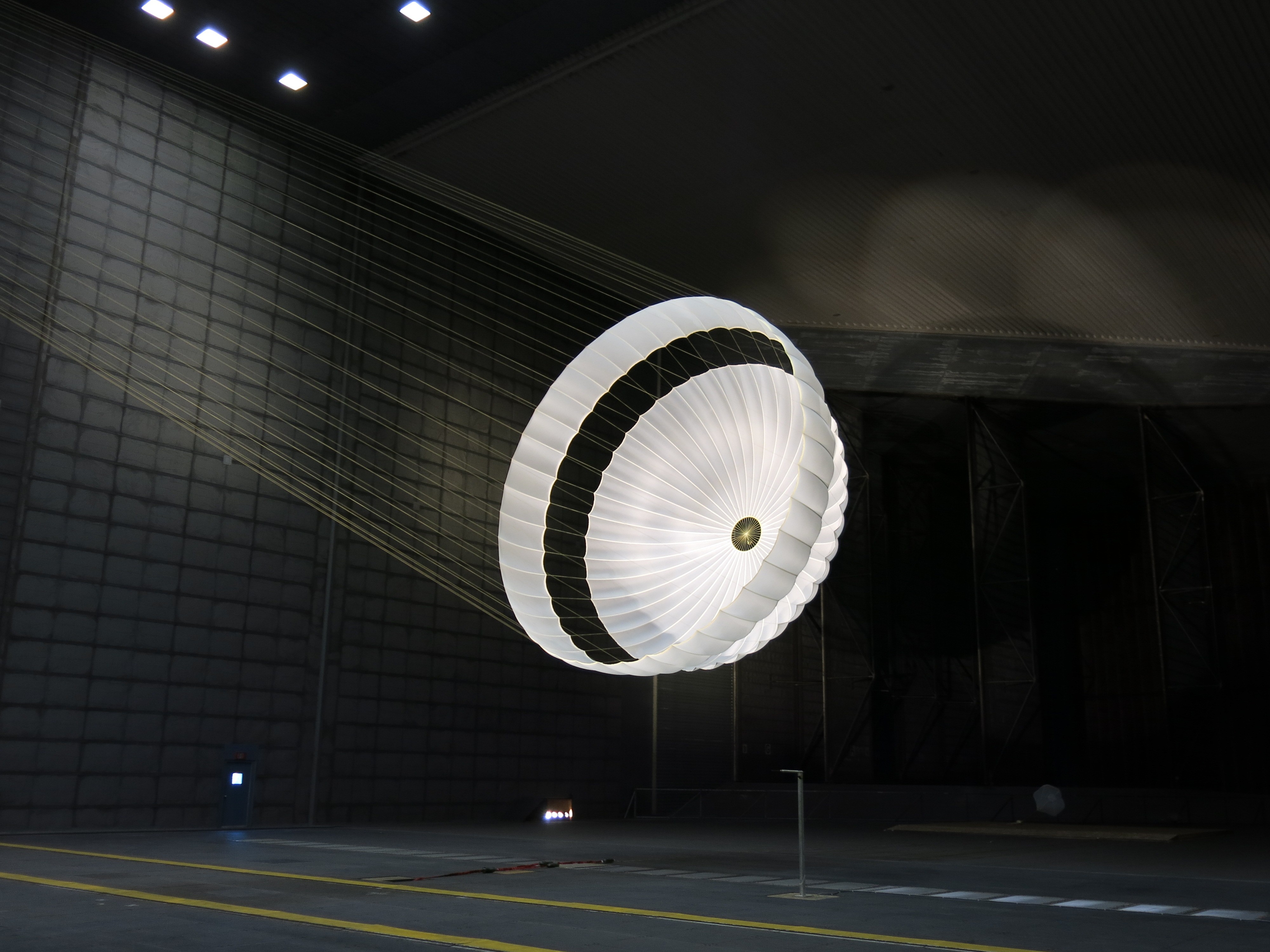
Vorticity has long-standing experience of testing parachutes in wind tunnels. The team tested the ExoMars ringslot parachute, the second stage design, at the NRC-CNRC (Conseil National de Recherces du Canada) 9m x 9m subsonic wind tunnel.
For the ESA Supersonic Parachute Research project, the Vorticity team designed and tested parachutes in the NRC-CNRC 1.5 m x 1.5 m supersonic wind tunnel between Mach 1.6 and Mach 2.1.
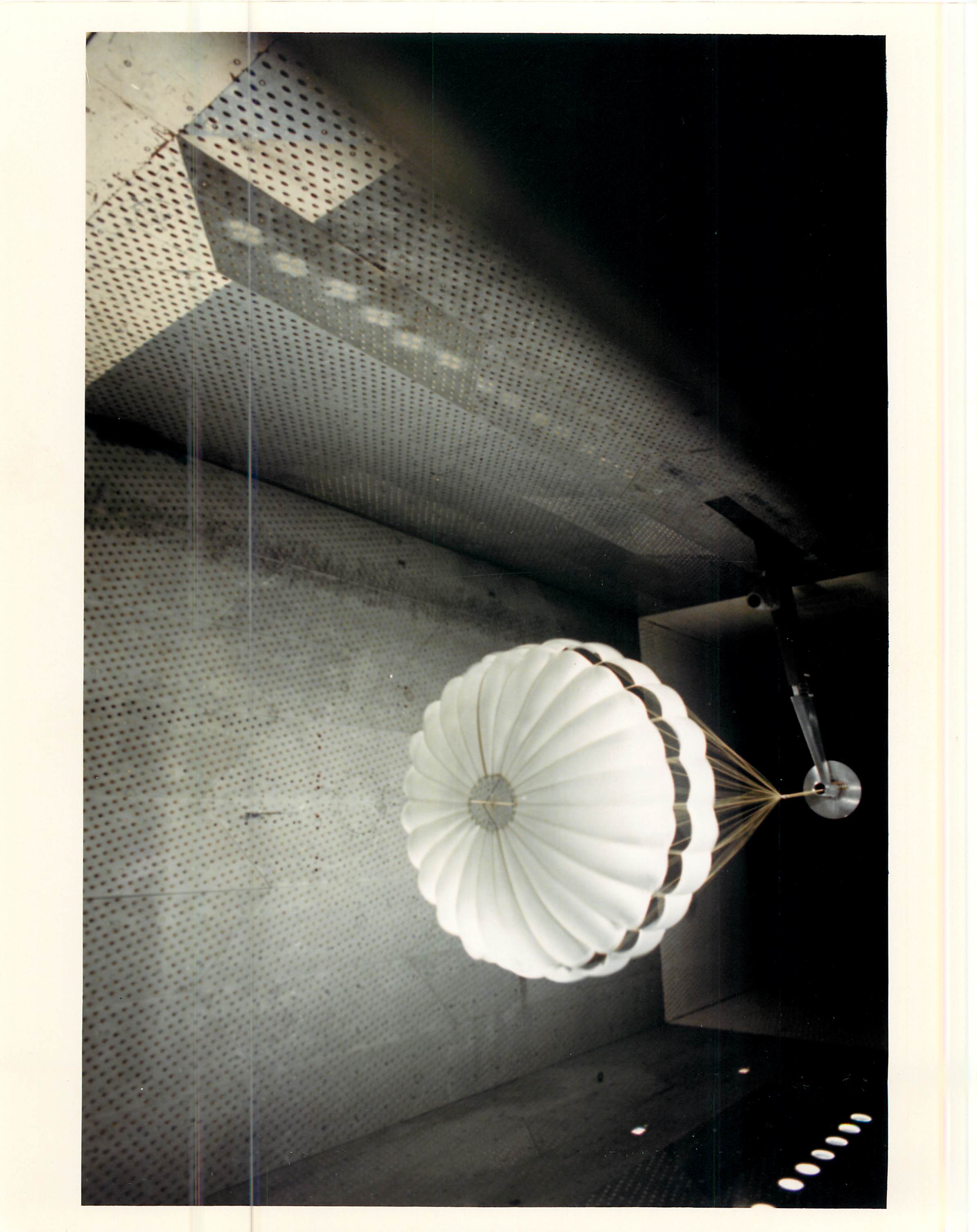
Vorticity has also conducted testing at the NASA Glenn 10ft x 10ft Supersonic wind tunnel and the NASA Ames National Full-Scale Complex (NFAC), as pictured below.
Vorticity designs, tests, and delivers parachute systems for terrestial, and extra-terrestrial applications.